
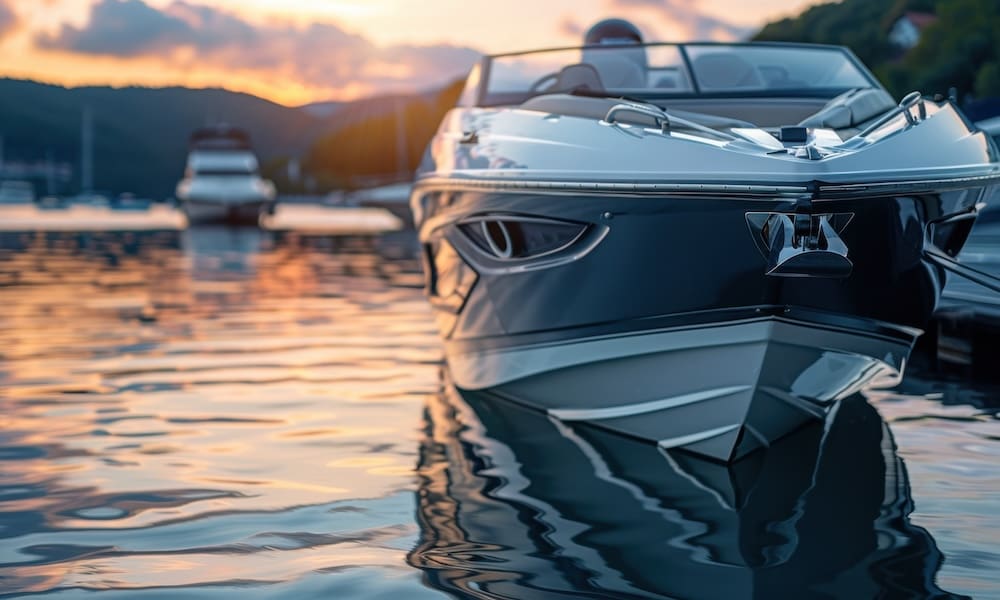
Owning a boat brings freedom and enjoyment, but it also creates financial and liability risks on the water, at the dock, on a trailer, and in storage.
Whether boat insurance is legally required depends on where and how the boat is operated. Even when the law does not require a policy, a lender, marina, storage facility, or other party may require proof of coverage. The better question is often not simply whether insurance is required, but what you could afford to lose or be responsible for after an accident.
When Can Boat Insurance Be Required?
Insurance laws and registration rules vary by state and type of vessel. If the boat is financed, the lender may require comprehensive and collision coverage to protect its financial interest. Marinas, yacht clubs, and storage facilities may also require a minimum liability limit before allowing you to dock or store the boat.
Does Homeowners Insurance Cover a Boat?
A homeowners policy may provide limited coverage for certain small watercraft or specific losses, but limits, size restrictions, horsepower restrictions, and exclusions may apply. It may not provide the liability or physical damage protection you expect while the boat is being operated. Review the policy rather than assuming your home insurance provides complete protection.
Liability May Be the Largest Risk
Boat liability coverage may help if you are legally responsible for injuring another person or damaging another boat, dock, or other property. A serious boating accident can create costs well beyond the value of the boat itself. Select a liability limit after considering your passengers, boating activities, personal assets, and the requirements of any marina or umbrella policy.
Protecting the Boat From Physical Damage
Collision coverage may help pay for covered damage caused by an impact with another vessel, a dock, a submerged object, or another obstacle. Comprehensive coverage may address certain non-collision losses, such as theft, fire, vandalism, or weather-related damage. The settlement method—such as agreed value, actual cash value, or replacement-cost provisions—can significantly affect a claim payment.
Coverage Can Matter in Storage and During Transport
A boat can be stolen, vandalized, damaged by weather, or involved in an accident even when it is not in the water. Ask how the policy treats winter storage, lay-up periods, hauling, and transport. Confirm whether the trailer, permanently attached equipment, electronics, safety gear, and personal belongings are included or need separate limits.
What About an Older or Lower-Value Boat?
You may decide that physical damage coverage is not cost-effective for a boat with a low market value. That decision does not eliminate liability exposure. You can discuss whether liability-only coverage is available and compare the premium with the amount you could reasonably pay to repair or replace the boat yourself.
Review How and Where You Use the Boat
Coverage can depend on the boat type, value, speed, navigation area, operator experience, and intended use. Fishing, overnight cruising, tow sports, racing, commercial activity, rentals, or travel outside the normal navigation territory may require special underwriting or coverage. Tell your agent how the boat is actually used and who may operate it.
Have Questions?
Oberryman Insurance Agency can help you review boat and personal watercraft insurance options, compare available limits and deductibles, and identify coverage areas that deserve attention. If you live in Northern Virginia or elsewhere in Virginia, Maryland, or Washington, D.C., contact Oberryman Insurance Agency at 703-986-0468 to discuss your watercraft insurance needs.
Insurance coverage, eligibility, limits, deductibles, exclusions, endorsements, valuation provisions, and availability vary by insurance company, policy, watercraft, state, and individual circumstances. Legal, lender, marina, and storage requirements may also vary. This article is provided for general informational purposes and is not intended to provide legal advice or modify or replace the terms and conditions of an insurance policy. Please review your policy and contact the appropriate authority, contracting party, or Oberryman Insurance Agency regarding your specific needs.