
Boats come in many shapes and sizes, but one practical way to understand them is by looking at how they move through the water.
The three broad categories are sailboats, powerboats, and human-powered boats. Each category includes many specialized designs, and some vessels can use more than one type of propulsion. Knowing the differences can help you choose a boat that fits your activities, experience, storage plans, and insurance needs.
1. Sailboats
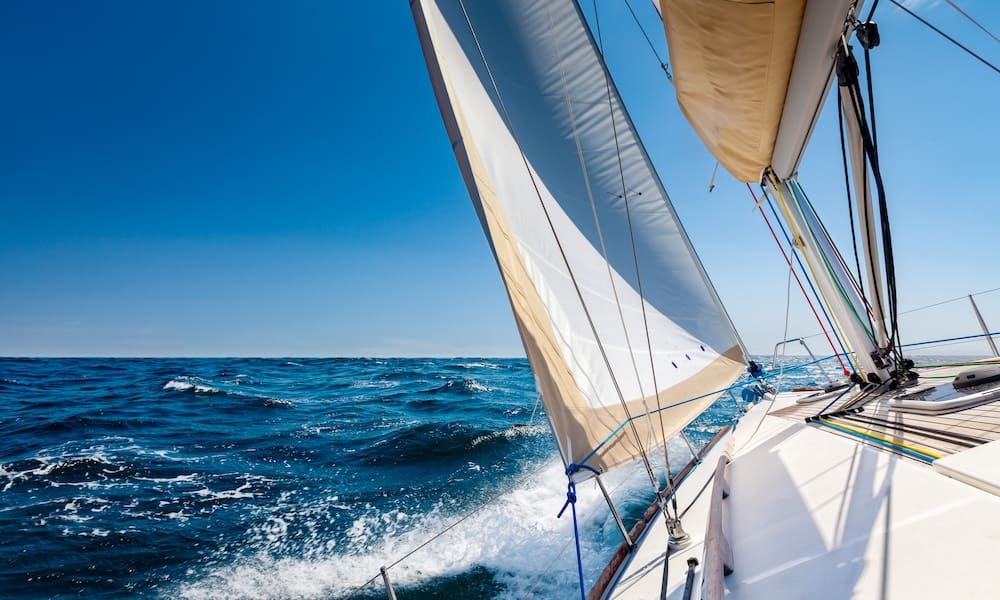
Sailboats primarily use wind captured by sails for propulsion. They range from small boats designed for learning or day sailing to larger cruising vessels with cabins and equipment for extended trips. Common designs include sloops, cutters, catamarans, trimarans, ketches, and other configurations distinguished by their hulls, masts, and sail plans.
What Should You Consider With a Sailboat?
Sailing requires an understanding of wind, weather, navigation, rigging, and right-of-way rules. Larger or more complex sailboats may require specialized training, maintenance, surveys, or equipment. Many sailboats also have an auxiliary engine, which can affect registration, underwriting, and coverage.
2. Powerboats
Powerboats use an engine as their primary source of propulsion. This broad category includes bowriders, center consoles, pontoons, fishing boats, cabin cruisers, trawlers, ski and wake boats, motor yachts, and personal watercraft. Their size, speed, engine type, horsepower, construction, and intended use can vary significantly.
What Should You Consider With a Powerboat?
Think about where the boat will be operated and whether it is intended for fishing, water sports, entertaining, overnight cruising, or offshore travel. Higher speeds and more powerful engines can require additional operator skill and may affect insurance eligibility and cost. Fuel systems, electronics, trailers, and permanently attached equipment also deserve attention.
3. Human-Powered Boats
Human-powered boats move through the water using paddles, oars, pedals, or poles. Canoes, kayaks, rowboats, pedal boats, and certain small fishing craft fall into this category. They are often easier to transport and store, but the appropriate design depends on water conditions, the number of occupants, and the intended activity.
Some Boats Fit More Than One Category
A dinghy may use oars, a sail, or a small motor. A sailboat may rely on an auxiliary engine when wind is unavailable, and certain small fishing boats can use both pedals and a motor. Regardless of size, boats can capsize, collide, drift into hazardous conditions, or be stolen or damaged. Describe every propulsion method and intended use when registering or insuring the vessel so that the information is accurate.
Choosing the Right Boat and Insurance
Consider the waters you plan to navigate, typical weather conditions, passenger capacity, operator experience, towing vehicle, storage arrangements, maintenance budget, and safety equipment. Insurance needs can also depend on the boat’s value, speed, length, construction, navigation territory, financing, and use. Do not assume a homeowners policy provides sufficient property or liability protection for every type of boat.
Have Questions?
Oberryman Insurance Agency can help you review boat and personal watercraft insurance options and identify the information needed for an accurate quote. If you live in Northern Virginia or elsewhere in Virginia, Maryland, or Washington, D.C., contact Oberryman Insurance Agency at 703-986-0468 to discuss your watercraft insurance needs.
Insurance coverage, eligibility, limits, deductibles, exclusions, endorsements, valuation provisions, and availability vary by insurance company, policy, watercraft, state, and individual circumstances. Registration, equipment, and operator requirements may also vary. This article is provided for general informational purposes and is not intended to provide legal or boating-safety advice or modify or replace the terms and conditions of an insurance policy. Please review your policy and contact the appropriate authority or Oberryman Insurance Agency regarding your specific needs.