
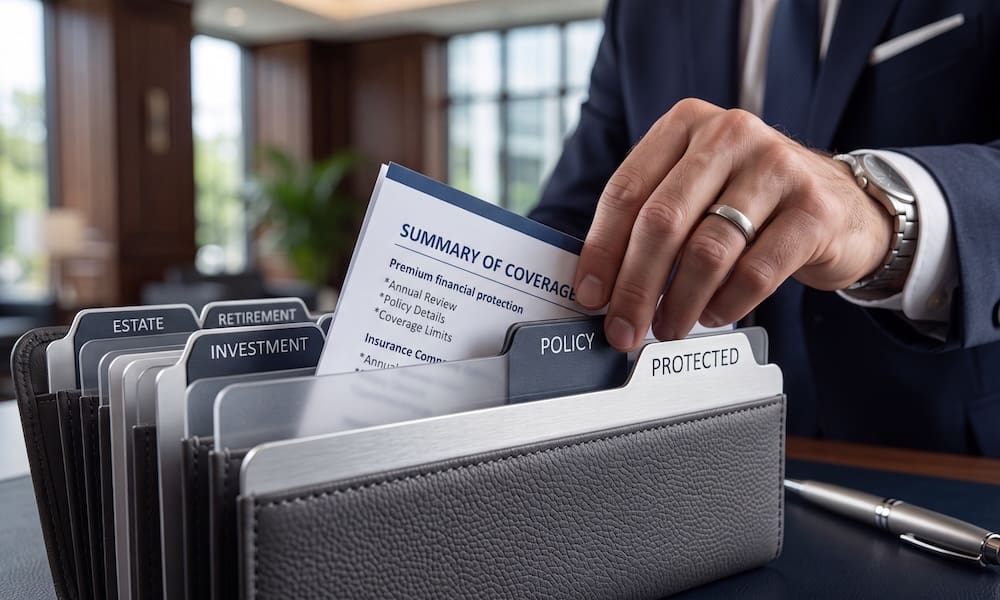
Your Life Changes. Has Your Insurance Kept Up?
Many people purchase insurance, pay their premiums, receive renewal documents each year, and assume everything is still appropriate. But a lot can change in twelve months.
You may have purchased a vehicle, renovated your home, added a youthful driver, acquired valuable jewelry, started working from home, purchased a rental property, welcomed a child, changed jobs, started a business, or experienced another significant life event.
Your insurance should evolve as your life evolves. That’s why an annual insurance review is a good habit to establish.
An Insurance Review Should Be About Coverage—Not Just Price
Price matters, but the lowest-priced policy isn’t necessarily the policy that provides the protection you need.
An annual review is an opportunity to consider liability limits, deductibles, household drivers, vehicle use, home improvements, valuable property, coverage gaps, family changes, life insurance needs, beneficiaries, business activity, and other changes.
Sometimes a review results in a policy change. Sometimes it doesn’t. Either outcome can be useful. The goal is to understand your coverage and make sure your policies reflect your current circumstances.
Why Review Your Auto Insurance?
Review changes such as vehicles purchased or sold, loans paid off, commuting changes, working from home, newly licensed drivers, college students, vehicle use, custom equipment, business use, and changing financial circumstances.
Example: If your teenager received a driver’s license during the year, that is an important change to discuss. A review also gives you a chance to review deductibles, rental reimbursement, roadside assistance, liability limits, and other options—not just the vehicle listed on the policy.
Why Review Your Homeowners Insurance?
Your home may have changed since you first purchased the policy. A finished basement, remodeled kitchen, renovated bathroom, room addition, deck, detached structure, swimming pool, upgraded flooring, expensive furniture, home technology, or home-based business may affect your insurance needs.
Example: If you purchased your policy eight years ago and have since completed a major kitchen renovation and finished your basement, the information used to insure the home may need to be updated.
A review is also a good time to discuss sewer and drain backup, underground service line, equipment breakdown, flood, earthquake, valuable items, higher liability limits, and extended or guaranteed dwelling replacement cost when available.
Why Review Your Condo Insurance?
Condo owners should periodically review building property coverage, personal property, improvements and betterments, liability, loss assessment, water backup, deductibles, valuables, and additional living expenses.
Example: If your condominium association increases its master-policy deductible, that may create an exposure for unit owners depending on the association documents, circumstances, and individual policy.
Why Review Your Landlord or Rental Property Insurance?
Rental properties change too. Renovations, higher rents, new systems, tenant changes, conversion of a former residence to a rental, or acquiring another property may affect dwelling coverage, landlord-owned property, loss of rental income, premises liability, deductibles, water exposures, and umbrella needs.
Example: A property purchased years ago may have undergone substantial renovations. Its market value is not necessarily the same as its rebuilding cost, so the insurance information should be reviewed.
Why Review Your Personal Umbrella Insurance?
Liability exposure can change as your assets and lifestyle change. Increased income or savings, another property, a youthful driver, a swimming pool, boat ownership, or becoming a landlord are reasons to reconsider liability protection and whether an umbrella policy and its limit remain appropriate.
Why Review Your Life Insurance?
Marriage, divorce, birth or adoption, a home purchase, salary changes, a new mortgage, additional debt, career changes, business ownership, retirement planning, children becoming independent, or the death of a beneficiary can change your life insurance needs.
Example: A $250,000 policy purchased while single may no longer reflect your goals years later if you are married, have children, own a home, and your household depends on your income.
What About Business Insurance?
Businesses rarely stay exactly the same. Increased sales, employees, payroll, equipment, vehicles, locations, new products or services, operations in another state, contracts, cyber exposure, ownership changes, and additional customer data can all affect insurance needs. Your coverage should reflect how the business operates today.
Don’t Forget Other Insurance Policies
Depending on what you own and how you live, an annual review may also include renters, motorcycle, boat, recreational vehicle, flood, personal umbrella, rental property, commercial auto, workers compensation, professional liability, cyber, and other insurance.
Major Life Events Should Trigger a Review
Don’t wait for the annual review if something significant changes. Contact your insurance agent when you buy or sell a home or vehicle, get married or divorced, have or adopt a child, add a youthful driver, send a child to college, renovate, install a pool, purchase valuables, start working from home, start or buy a business, purchase a rental property, buy a boat or recreational vehicle, retire, or experience a significant change in income or assets.
Your Deductibles Deserve a Review Too
A deductible that made sense several years ago may not be the deductible you would choose today. Consider whether you could comfortably pay it after an unexpected loss and whether you prefer assuming more or less of smaller losses yourself.
Review Your Liability Limits as Your Financial Picture Changes
As income, savings, investments, property ownership, and other assets grow, it is worth reviewing whether liability limits remain appropriate. This can include auto, homeowners or renters, landlord, business, and umbrella liability protection.
An Insurance Review Is Also an Opportunity to Ask Questions
An annual review is a good time to ask what a coverage means, why you have a particular limit, how a deductible applies, what is excluded, what optional coverages are available, what has changed with your policy, and what changes in your life should be reported.
You May Discover That Your Current Coverage Is Just Fine
An annual review doesn’t mean something has to change. You may find that your current limits, deductibles, endorsements, and policy structure still meet your needs. The value is knowing that you’ve taken the time to look.
Don’t Wait Until After a Claim to Learn What’s in Your Policy
Insurance policies contain limits, deductibles, conditions, exclusions, and optional endorsements. An annual review gives you a chance to understand those provisions while you still have time to decide whether changes are appropriate.
When Was Your Last Insurance Review?
Oberryman Insurance Agency works with individuals, families, property owners, and businesses throughout Virginia, Maryland, and Washington, D.C., including clients throughout Northern Virginia and the Woodbridge area.
Whether you have auto, home, condo, renters, landlord, umbrella, business, life, or other insurance coverage, we can help you take a fresh look at your policies and discuss whether they still reflect your current needs.
The purpose isn’t simply to find a lower price. It’s to help you better understand your insurance and make informed decisions about your protection.
Call Oberryman Insurance Agency at 703-986-0468 to request an insurance review. We’d be happy to review your policies, answer your questions, and discuss any appropriate changes.
Insurance coverage, eligibility, limits, deductibles, exclusions, endorsements, rates, and availability vary by insurance company, policy, property, state, and individual circumstances. An insurance review does not guarantee that coverage changes are necessary or available. This article is provided for general informational purposes and does not modify or replace the terms and conditions of an insurance policy. Please review your policy and consult a licensed insurance professional regarding your individual insurance needs.