
Comprehensive and collision coverage are two of the most commonly misunderstood parts of an auto insurance policy.
Both can help pay for physical damage to your own vehicle after a covered loss, but they respond to different types of events. Understanding the difference can help you make better decisions about your coverage, deductibles, and whether keeping physical damage coverage makes sense as your vehicle ages.
A simple way to think about the difference is this: collision generally involves your vehicle colliding with another vehicle or object, while comprehensive generally addresses certain covered losses that are not collisions.
What Is Collision Coverage?
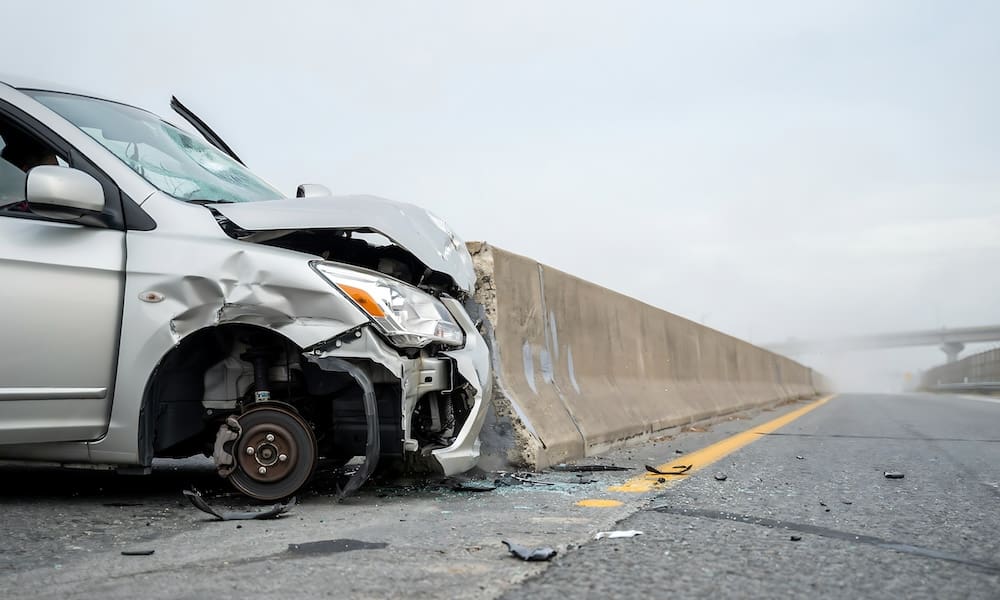
Collision coverage generally helps pay for covered damage to your vehicle when it collides with another vehicle or object, subject to your policy terms and deductible.
Examples may include hitting another vehicle, striking a guardrail or pole, backing into an object, or hitting a pothole and damaging the vehicle.
Collision coverage can apply regardless of who is ultimately responsible for an accident, although claim handling, deductibles, and possible recovery from another party can depend on the circumstances.
What Is Comprehensive Coverage?
Comprehensive coverage—sometimes called “other than collision” coverage—generally addresses certain covered physical damage to your vehicle caused by events other than a collision.
Depending on the policy, examples can include theft, vandalism, fire, falling objects, hail, certain weather-related damage, contact with an animal, and glass damage.
The exact causes of loss covered and how deductibles apply depend on the policy and insurance company.
A Simple Comprehensive vs. Collision Comparison
Think about what caused the damage.
If your vehicle strikes another vehicle, a pole, a guardrail, or a pothole, collision coverage may be the applicable physical damage coverage.
If the vehicle is stolen, damaged by hail, vandalized, struck by a falling tree limb, or damaged after contact with an animal, comprehensive coverage may be the applicable coverage.
The facts of an actual loss and the policy language ultimately determine which coverage applies.
Your Deductibles May Be Different
Comprehensive and collision coverage usually have deductibles, and the deductible amounts don’t necessarily have to be the same.
For example, a policy might have a $500 collision deductible and a different comprehensive deductible. Some policies or states may treat certain glass losses differently.
When reviewing your auto insurance, don’t simply confirm that you “have full coverage.” Ask what comprehensive and collision deductibles are actually shown on each vehicle.
What Does “Full Coverage” Mean?
Consumers often use the phrase “full coverage,” but it isn’t a specific insurance policy or standardized coverage term.
Someone using that phrase may mean liability plus comprehensive and collision coverage, but even that doesn’t tell you the liability limits, deductibles, rental coverage, roadside assistance, uninsured or underinsured motorist coverage, or other important policy details.
It’s better to identify the specific coverages and limits in your policy rather than rely on the phrase “full coverage.”
Are Comprehensive and Collision Required by Law?
State auto insurance laws generally focus on required liability or other mandatory coverages. Comprehensive and collision coverage are typically optional from the standpoint of state law.
However, if you finance or lease a vehicle, your lender or leasing company may require physical damage coverage as part of the financing or lease agreement.
Always review the requirements of your lender or leasing company before removing comprehensive or collision coverage from a financed or leased vehicle.
Should You Keep Comprehensive and Collision on an Older Vehicle?
As a vehicle ages, owners sometimes ask whether it still makes sense to carry comprehensive and collision coverage.
There isn’t a universal age or vehicle value at which everyone should remove the coverage. Consider the vehicle’s current value, your deductibles, the premium you pay for the coverage, whether you could afford to repair or replace the vehicle yourself, and whether a lender still requires the coverage.
The decision should reflect your financial situation and risk tolerance rather than a simple rule based only on the vehicle’s age.
What Happens If Your Vehicle Is a Total Loss?
If a covered comprehensive or collision loss results in the vehicle being declared a total loss, the insurance company will evaluate the claim in accordance with the policy terms and applicable claim practices.
Physical damage coverage is not designed simply to pay the amount you originally paid for the vehicle or the amount you still owe on a loan. This is one reason owners of financed vehicles may also want to understand any available loan or lease-related protection, such as GAP coverage.
Do Comprehensive and Collision Cover Items Inside the Vehicle?
Comprehensive and collision coverage primarily address covered physical damage to the insured vehicle. They should not be automatically assumed to cover personal belongings kept in the vehicle.
Coverage for personal property may arise under another applicable policy, such as homeowners, condo, or renters insurance, depending on the circumstances and policy terms. Deductibles and limitations may apply.
Review Physical Damage Coverage Vehicle by Vehicle
If your household owns several vehicles, the appropriate physical damage decision may differ for each one.
A newer, financed vehicle may have very different insurance needs than an older, paid-off vehicle. Review comprehensive coverage, collision coverage, deductibles, vehicle values, lender requirements, and your ability to absorb a loss for each vehicle individually.
Understanding the Difference Helps You Make Better Coverage Decisions
Comprehensive and collision coverage both protect against certain types of physical damage to your vehicle, but they are not interchangeable.
Collision generally covers losses resulting from a collision with another vehicle or object. Comprehensive generally addresses certain covered losses other than collision, such as theft, vandalism, weather, falling objects, fire, or contact with an animal.
Understanding what each coverage does—and what deductible applies—can help you make more informed decisions before a claim occurs.
Have Questions About Your Auto Insurance?
Oberryman Insurance Agency can help you review the comprehensive and collision coverage on each of your vehicles and explain the deductibles and options shown on your policy. If you live in Northern Virginia or elsewhere in Virginia, Maryland, or Washington, D.C., contact Oberryman Insurance Agency at 703-986-0468 to discuss your auto insurance needs or request a policy review.
Insurance coverage, eligibility, limits, deductibles, exclusions, lender requirements, claim handling, and settlement decisions vary by insurance company, policy, state, vehicle, and individual circumstances. Claims are investigated and determined by the applicable insurance company based on the facts of the loss and policy terms. This article is provided for general informational purposes and is not intended to guarantee coverage or a particular claim outcome.